


Wood Burning vs Bioethanol vs Multi-Fuel - Which Fuel Type is Right for You
Discover the key differences between wood burning, bioethanol and multi-fuel stoves.
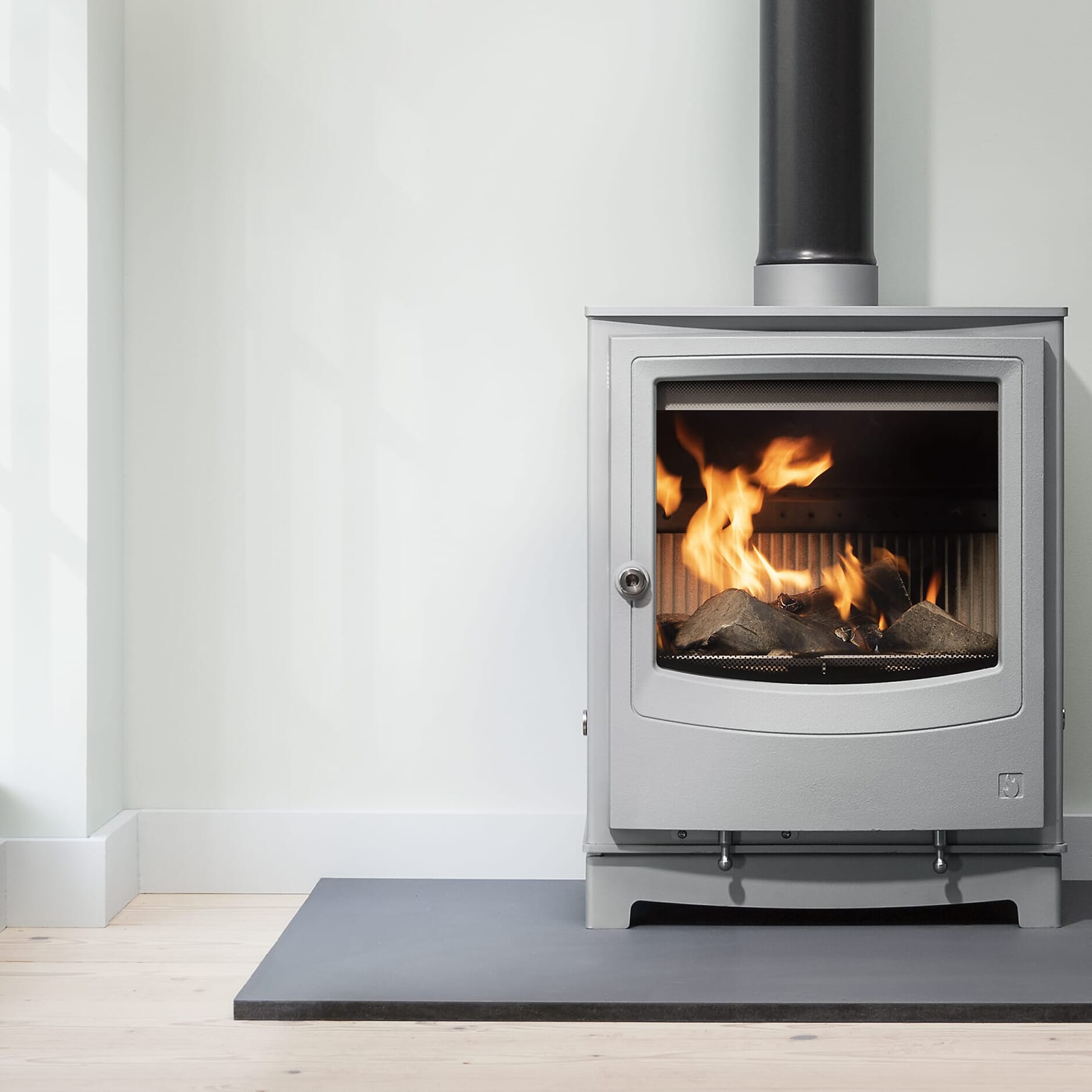
![Arada Farringdon Small Eco multifuel stove shown in optional Mist colourway]() Arada Farringdon Small Eco multifuel stove shown in optional Mist colourway
Arada Farringdon Small Eco multifuel stove shown in optional Mist colourwayConsider the practicalities
Choosing the right stove for your home isn’t just about style; it’s about selecting a fuel type that complements your lifestyle, heating needs and long-term plans. With wood burning, bioethanol and multi-fuel options all available, understanding how each works and what they offer is key to making a confident decision.
We have designed and manufactured stoves that prioritise performance, efficiency and craftsmanship. But which fuel type will suit your home best? Here, we break down the differences to help you decide.
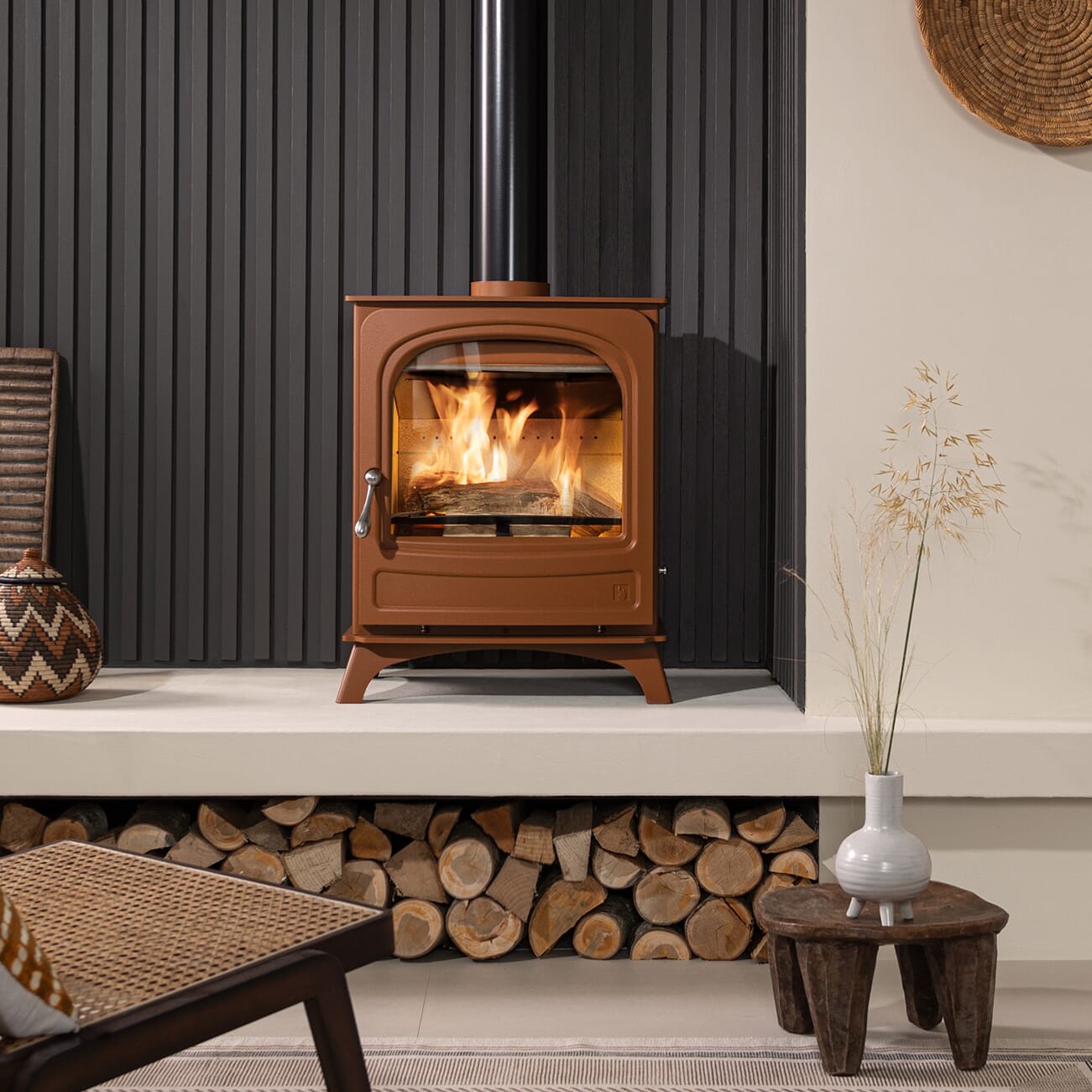
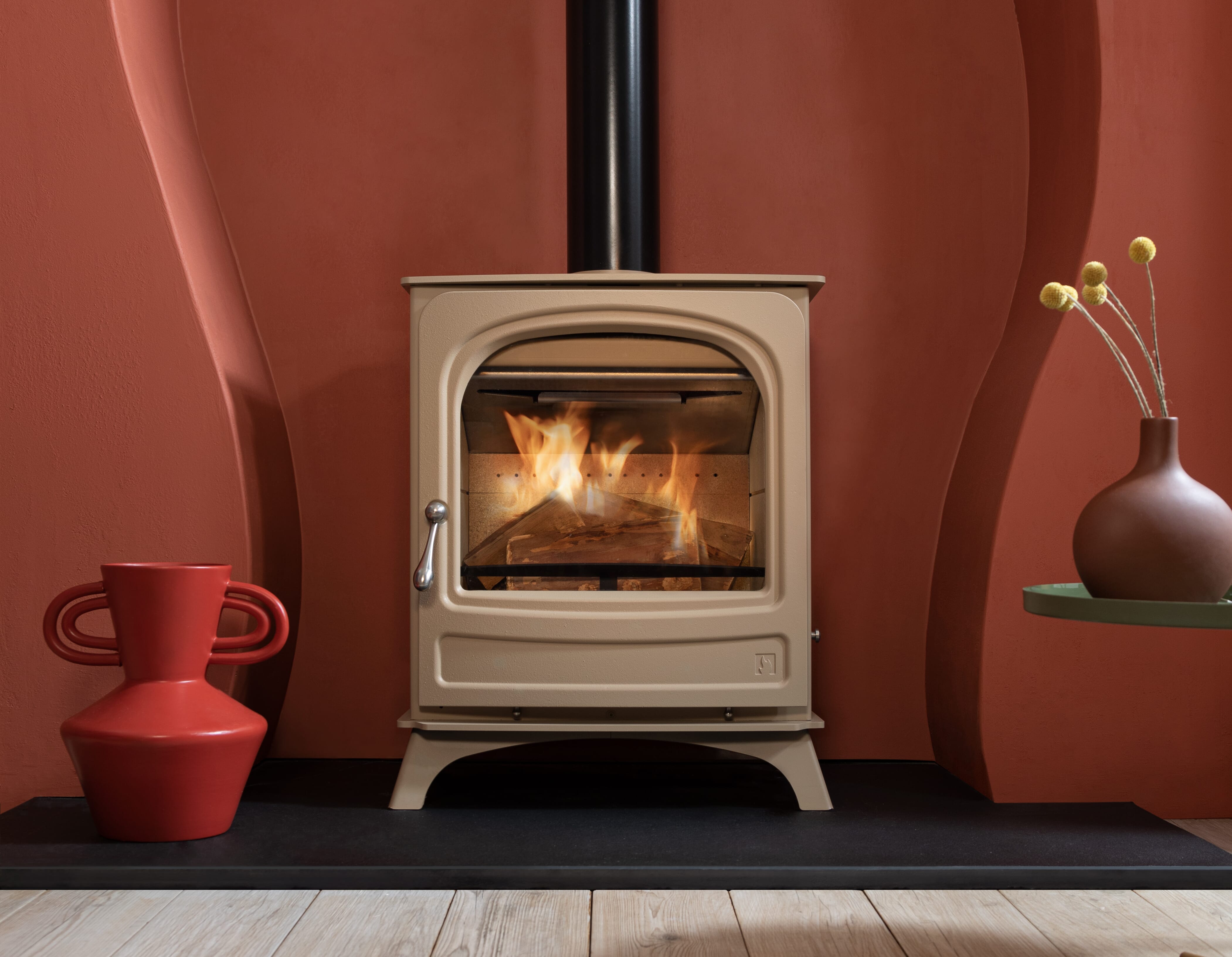
![Arada Holborn 5 Widescreen stove shown in optional Terracotta colourway]() Arada Holborn 5 Widescreen stove shown in optional Terracotta colourway
Arada Holborn 5 Widescreen stove shown in optional Terracotta colourwayWood Burning Stoves: Timeless, Efficient and Characterful
Wood burning stoves remain a firm favourite for homeowners seeking authentic flame visuals and powerful, radiant heat. When fuelled with properly seasoned or kiln-dried logs, modern wood burners deliver impressive efficiency and significantly reduced emissions compared to older models.
Today’s Ecodesign-compliant wood burning stoves are engineered for cleaner combustion. Advanced airflow systems ensure logs burn thoroughly, producing more heat from less fuel while minimising particulate output. For homes with an existing chimney or flue system, installation is often straightforward, making wood burning an attractive long-term heating solution.
Beyond performance, there’s the sensory appeal: the crackle of logs, the natural flame pattern and the cosy ambience that only real wood can create. For rural properties or households with easy access to sustainable firewood, wood burning can be both economical and environmentally responsible when managed correctly.
However, wood burning does require fuel storage space and regular ash removal. It’s best suited to homeowners who enjoy the ritual of building and maintaining a fire.
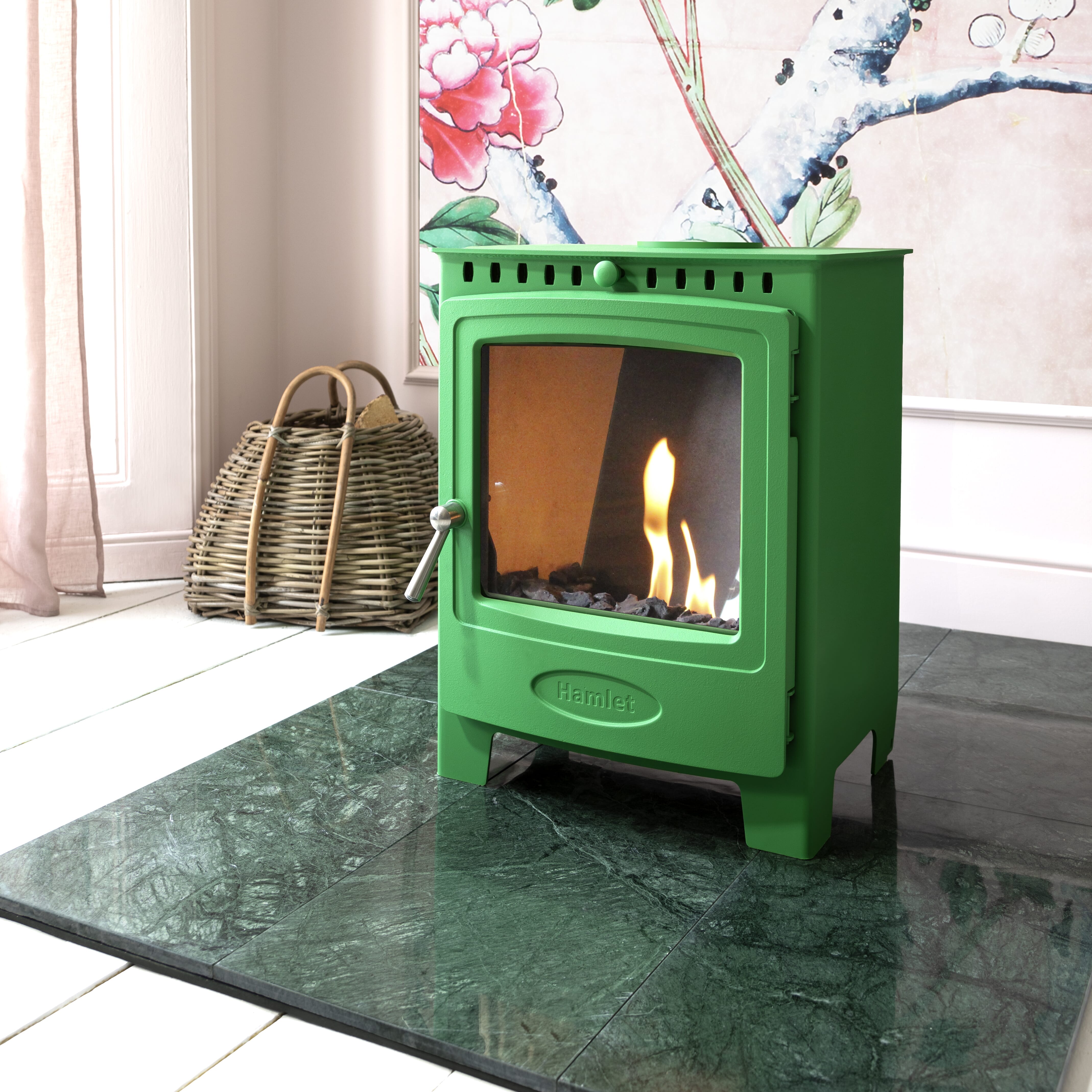
![Hamlet Solution 5 Bioethanol in optional peapod green]() Hamlet Solution 5 Bioethanol in optional peapod green
Hamlet Solution 5 Bioethanol in optional peapod greenBioethanol Fires: Flexible and Flue-Free
Bioethanol fires offer a completely different proposition. Instead of solid fuel, they burn liquid bioethanol - a renewable fuel derived from plant by-products. One of their biggest advantages is that they don’t require a chimney or flue as they produce no smoke, soot or ash.
This makes bioethanol fires particularly appealing for modern homes, apartments or spaces where installing a flue system isn’t possible. They are typically easy to install and can offer a sleek, contemporary aesthetic.
However, while bioethanol fires provide beautiful, real flames, they generally produce less heat output than wood or multi-fuel stoves. They’re often chosen for ambience rather than as a primary heat source. Fuel can also be more expensive per kilowatt hour compared to seasoned logs.
For homeowners prioritising design flexibility and simplicity over high heat performance, bioethanol may be the right fit.
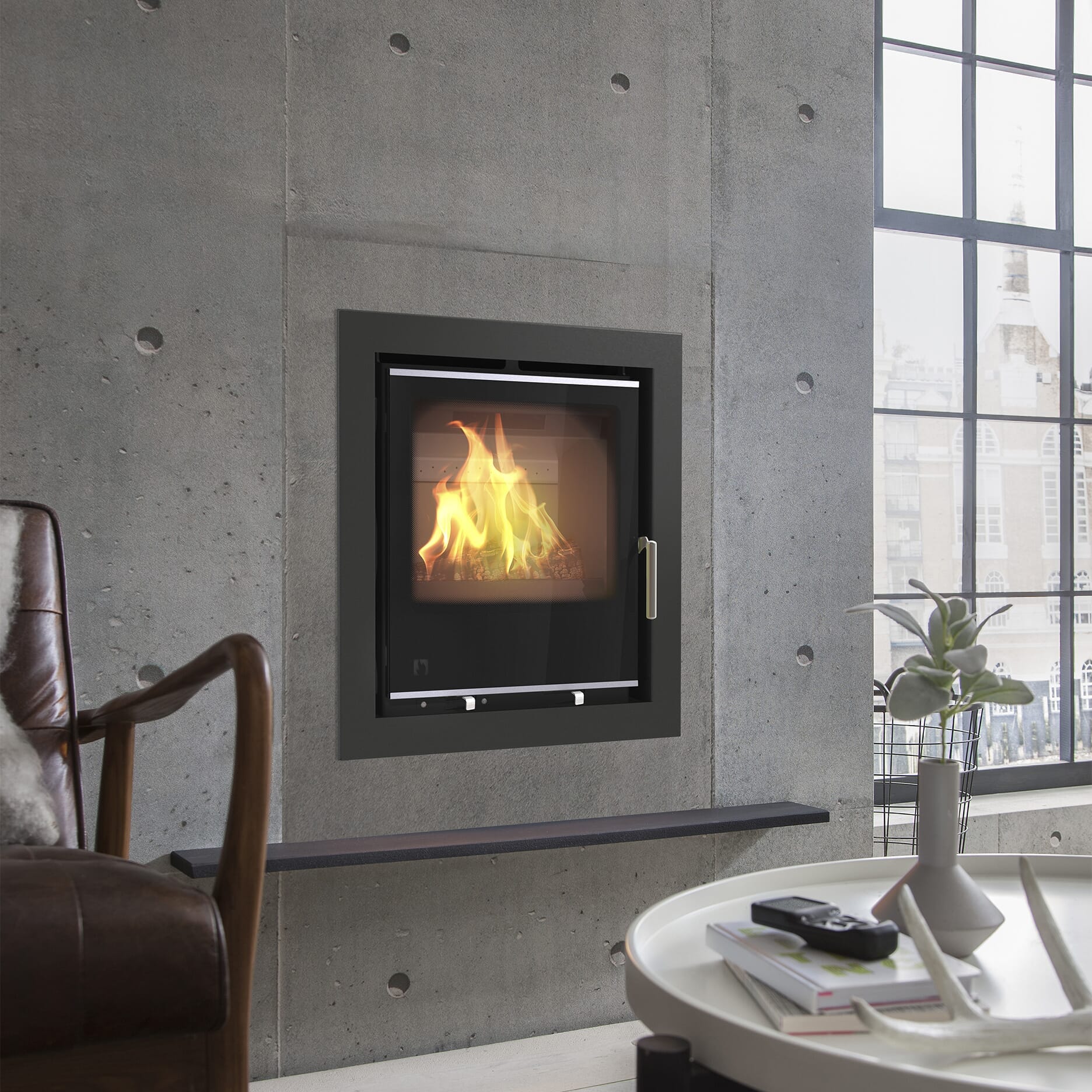
![Arada I Series i500 (S3) Cassette stove]() Arada I Series i500 (S3) Cassette Multifuel stove
Arada I Series i500 (S3) Cassette Multifuel stoveMulti-Fuel Stoves: Versatility and Control
Multi-fuel stoves offer the best of both worlds for those who want flexibility. Designed to burn wood as well as approved smokeless mineral fuels, they allow homeowners to adapt depending on availability, cost or heating requirements.
The key difference lies in the grate system. Multi-fuel stoves feature a raised grate and ash pan, allowing air to circulate beneath the fuel, essential for burning smokeless coal efficiently. This can result in a longer, more sustained burn and greater control over heat output.
For properties located in Smoke Control Areas, the ability to burn authorised smokeless fuels can provide added reassurance, provided the stove is approved and operated correctly. Multi-fuel models are particularly practical for households seeking consistent overnight heat or an alternative fuel option during colder months.
![Arada Holborn 5 in optional Clay colour]() Arada Holborn 5 in optional Clay colour
Arada Holborn 5 in optional Clay colourWhich Fuel Type is Right for You?
The right choice ultimately depends on how you intend to use your stove.
If you’re looking for high heat output, traditional charm and a sustainable heating solution, wood burning is a strong contender. If flexibility and fuel choice are priorities, a multi-fuel stove offers excellent versatility. And if installation simplicity and contemporary design are at the top of your list, bioethanol provides a flue-free alternative.
Whichever route you choose, focusing on efficiency, responsible fuel use and quality design ensures your stove becomes a long-term investment in comfort and performance. By understanding the strengths of each fuel type, you can select a heating solution that enhances both your home and your lifestyle for years to come.
Related Articles
Choosing a stove
- 5 Reasons to Buy A Stove in Summer
- Choosing an Ecodesign Ready Stove
- Contemporary Wood Burning Stoves
- How to install a wood burner without a chimney
- Is a log burner better than central heating?
- The Benefits of An Inset Wood Burning Stove In Your Home
- What is a bioethanol fire?
- What size kW stove do I need?
- What to know before installing a wood burning stove
- Why Choose A Freestanding Stove For Your Home?
- Wood Burning vs Bioethanol vs Multi-Fuel - Which Fuel Type is Right for You
-
Posted by Graeme Wood
16th March, 2026.
 TOP OF PAGE